Platform comparison
| Platform | YES odds | NO odds | Fee | KYC | Settlement | |
|---|---|---|---|---|---|---|
Polymarket (via Polymarket Legal UK) Pick polygram.ink (preferred broker) |
1% | 99% | 0% (USDC on-chain) | No-KYC up to $1,500 | USDC, auto via UMA oracle | Trade this market → |
Polymarket (direct) polymarket.com |
1% | 99% | 0% | Geo-blocked in US/UK/EU | USDC, on-chain | Trade this market → |
Kalshi kalshi.com |
— | — | Up to 7% per trade | US-only, KYC required | USD | Trade this market → |
Betfair Exchange betfair.com |
— | — | 2-5% commission | Full KYC from first trade | GBP / EUR | Trade this market → |
Manifold Markets manifold.markets |
— | — | Play-money (mana) | None — play-money | Mana (no cash-out) | Trade this market → |
Market context
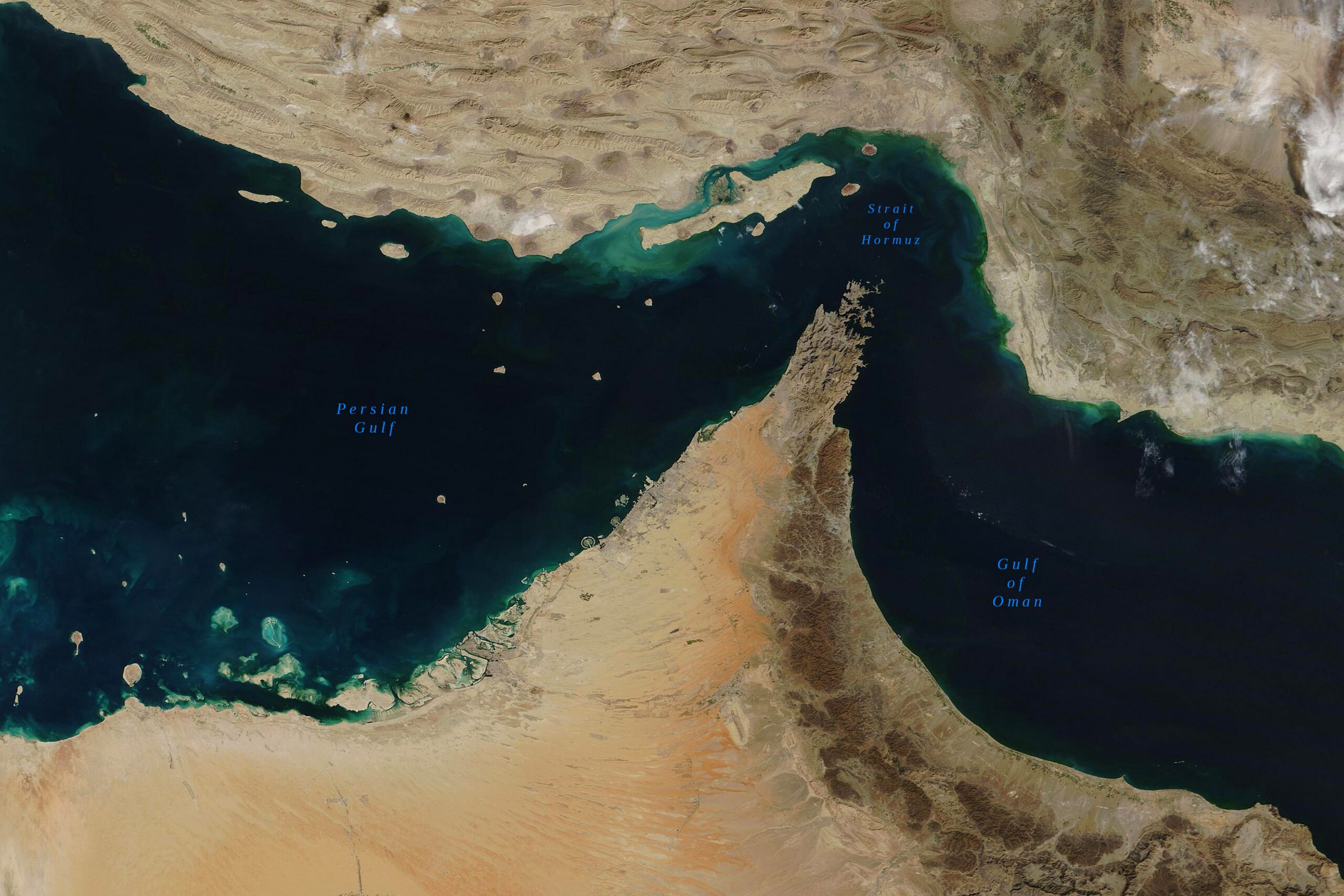
The Strait of Hormuz is still trading as a geopolitically sensitive chokepoint rather than a normal corridor, and the market resolves only if IMF Portwatch’s seven-day moving average of ship arrivals reaches at least 60 on any day before 31 July 2026.[2][5][7] That threshold matters because pre-crisis traffic was around 60 commercial vessels a day in some tracker data, while during the conflict it fell to less than 10% of typical volumes and, at points, to a near standstill.[2][4][10]
The recent pattern suggests the present 1% YES probability reflects a fragile recovery rather than an outright reopening. Reuters reported traffic at less than 10% of normal in April, while later coverage said shipping had begun to recover after a U.S.-Iran deal, but that confidence remained brittle after renewed attacks and reversals by tankers.[2][7] Comparable cases have shown that even when the strait is declared open, insurance costs, naval risk, toll disputes and mine-clearing delays can keep measured transit calls well below pre-war levels for weeks or months.[5][6][11]
For traders, the key catalysts are diplomatic enforcement, any further maritime security announcements, and whether shipping firms actually resume regular transits rather than simply testing the route.[5][6][7] IMF Portwatch’s published series is the settlement reference, so accessibility depends on whether the platform can be used without friction; under a no-KYC up to $1,500 structure, a small European-facing account may be able to take part without full identity verification, but larger exposure typically triggers extra checks. German GlüStV rules are relevant to local access conditions, while the US CFTC’s reach can matter for US persons or US-linked activity, even on offshore venues.
Methodology
This overview of Strait of Hormuz traffic returns to normal by July 31? reviews the four comparable platforms from a regulatory perspective: which is accessible in your jurisdiction, where KYC kicks in, how the platform is classified by your country of residence. Live probability is the Polymarket mid; comparison columns show regulatory status, KYC thresholds and settlement options for each platform.
Resolution & payout
On Polymarket, resolution runs on-chain via UMA Optimistic Oracle. USDC payout is instant and automatic, with no KYC. Tax treatment depends on your jurisdiction — in the US, gains are usually ordinary income; in the UK, often capital gains. Consult a tax professional for your situation.
FAQ
- Do I need to KYC for Polymarket Legal UK?
- Not for lifetime trading volume under $1,500. Above that threshold, a quick KYC flow kicks in — ID, selfie, approximately 5-10 minutes. The threshold matches FATF travel standards for unregulated crypto platforms.
- How are winnings taxed?
- Tax treatment varies by jurisdiction. In most countries, prediction market gains are treated as ordinary income or capital gains. We cannot provide tax advice — consult a tax professional for your specific situation.
- Can I trade anonymously?
- Pseudonymously, yes — up to the KYC threshold. Polymarket Legal UK stores an email address and wallet addresses rather than a legal name. Over $1,500 lifetime volume triggers KYC, after which identity is no longer anonymous.
- Are prediction markets gambling?
- Legally unclear in most jurisdictions. Some interpretations classify them as wagering (gambling regulation applies), others as derivatives (financial regulation applies). There's no global precedent specifically for on-chain prediction markets.
- Is there a withdrawal cap?
- No platform-side cap. You can withdraw any amount provided KYC is complete. SEPA bank withdrawals over €15,000 trigger additional anti-money-laundering checks (statutory obligation for all platforms).
%22%2F%3E%3Cpath%20d%3D%22M%206%2066%20A%2026%2026%200%200%201%2058%2066%22%20fill%3D%22%23E6B98D%22%20opacity%3D%220.9%22%2F%3E%3Ccircle%20cx%3D%2232%22%20cy%3D%2226%22%20r%3D%2222%22%20fill%3D%22%23F5CBA7%22%2F%3E%3Cpath%20d%3D%22M%2010%2018%20Q%2016%204%2026%2010%20Q%2020%202%2032%206%20Q%2044%202%2038%2010%20Q%2048%204%2054%2018%22%20stroke%3D%22%237c3aed%22%20stroke-width%3D%224%22%20fill%3D%22none%22%20stroke-linecap%3D%22round%22%2F%3E%3C%2Fsvg%3E) and
and%22%2F%3E%3Cpath%20d%3D%22M%206%2066%20A%2026%2026%200%200%201%2058%2066%22%20fill%3D%22%23E6B98D%22%20opacity%3D%220.9%22%2F%3E%3Ccircle%20cx%3D%2232%22%20cy%3D%2226%22%20r%3D%2222%22%20fill%3D%22%23F5CBA7%22%2F%3E%3Cpath%20d%3D%22M%2010%2026%20A%2022%2028%200%200%201%2054%2026%22%20fill%3D%22%237c3aed%22%20opacity%3D%220.9%22%2F%3E%3C%2Fsvg%3E)
Trade Strait of Hormuz traffic returns to normal by July 31? on Polymarket Legal UK
Live order book, 0% fees, USDC settlement in seconds.
Open live market →